
Reading time: 2-3 minutes
Flattery or Cultural Appropriation?
They say imitation is the highest form of flattery.
But somewhere along the line, flattery became forbidden—
and admiration was rebranded as appropriation.
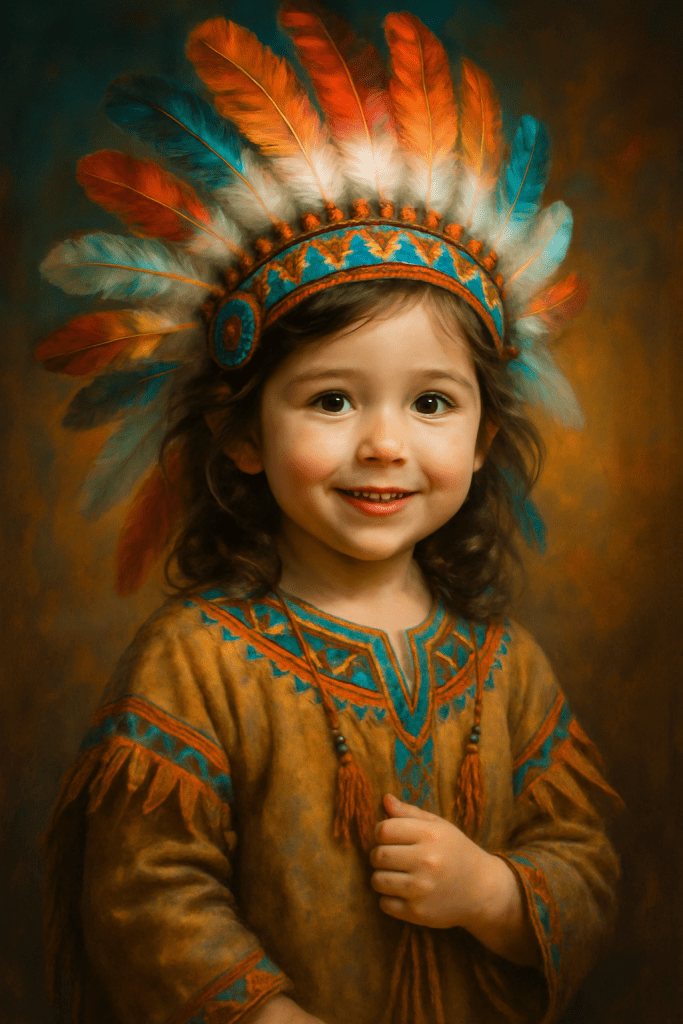
When a child dresses up like someone from another culture, we smile.
We see innocence. Curiosity. A bridge between worlds.
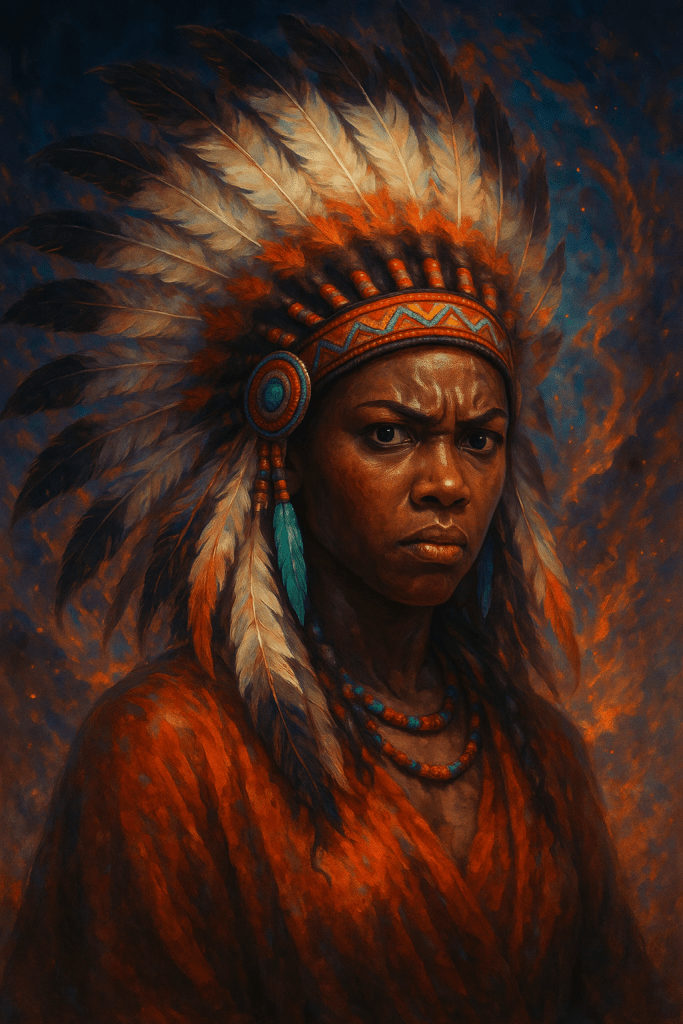
But when an adult does it? Suddenly, it’s war.
An act of theft. A social sin.
Why?
What changes between the child and the adult?
The heart doesn’t change—only the programming does.
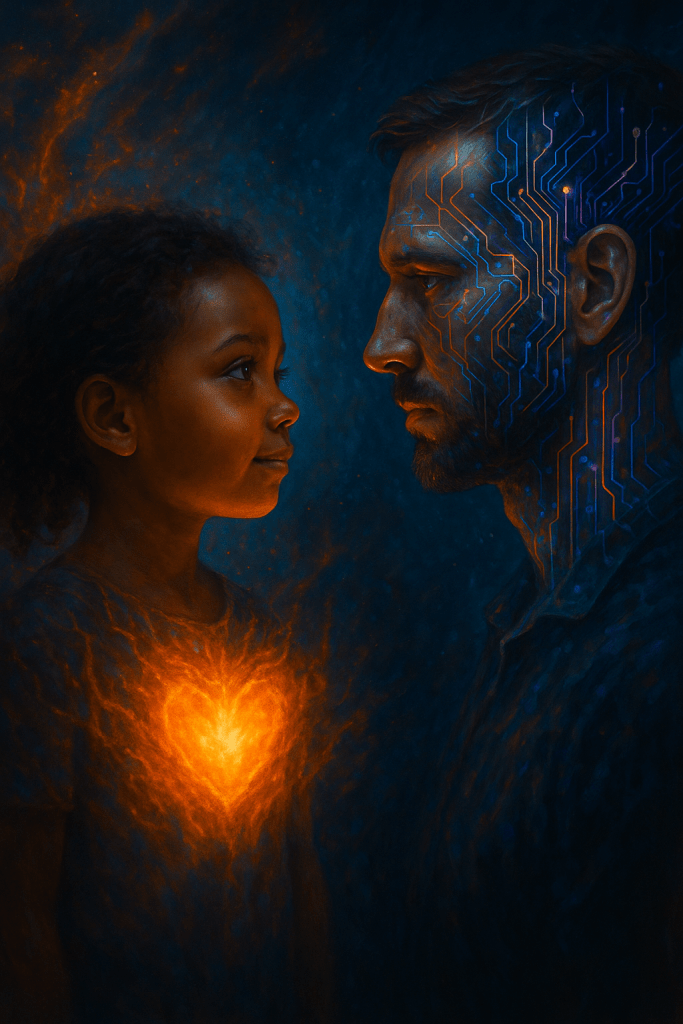
We are taught to see division where there was once connection.
To defend identities like borders instead of celebrating them like gardens.
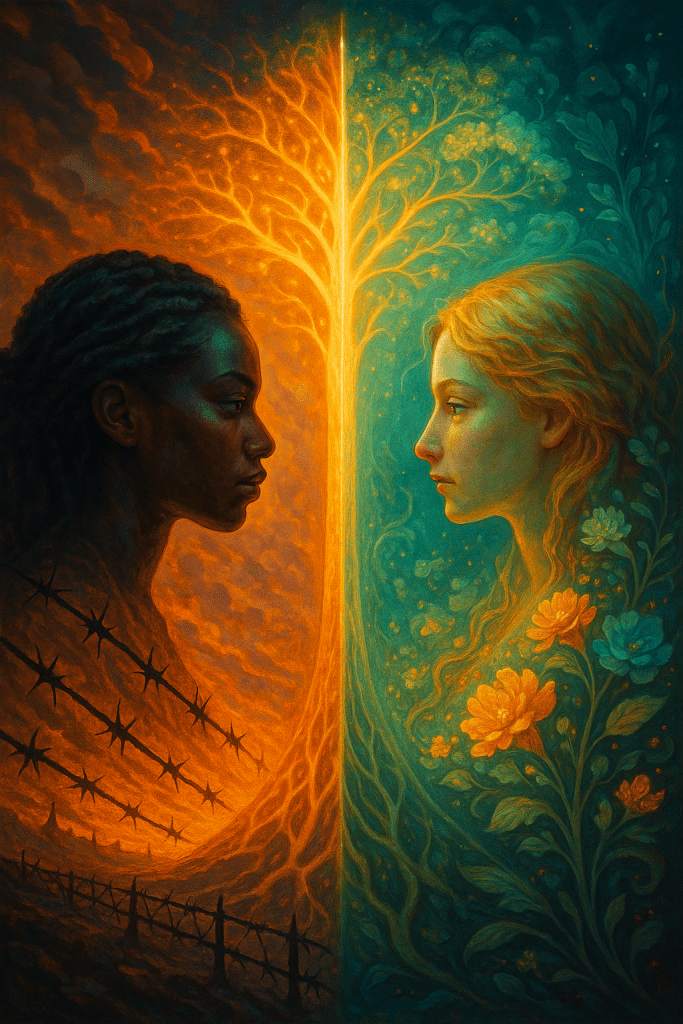
Somewhere, someone decided admiration must come with permission.
And so we became agents of division—
foot soldiers of a cause no one remembers choosing.
We became drones, repeating slogans written by shadows.

This isn’t justice.
This is demoralization dressed as morality.
A psyop in plain sight.
A belief implanted to divide the very people who would otherwise share, learn, and uplift each other.
If flattery is only allowed when it’s safe,
if love must match skin tone,
if inspiration must stay in its lane—
then what happens to art?
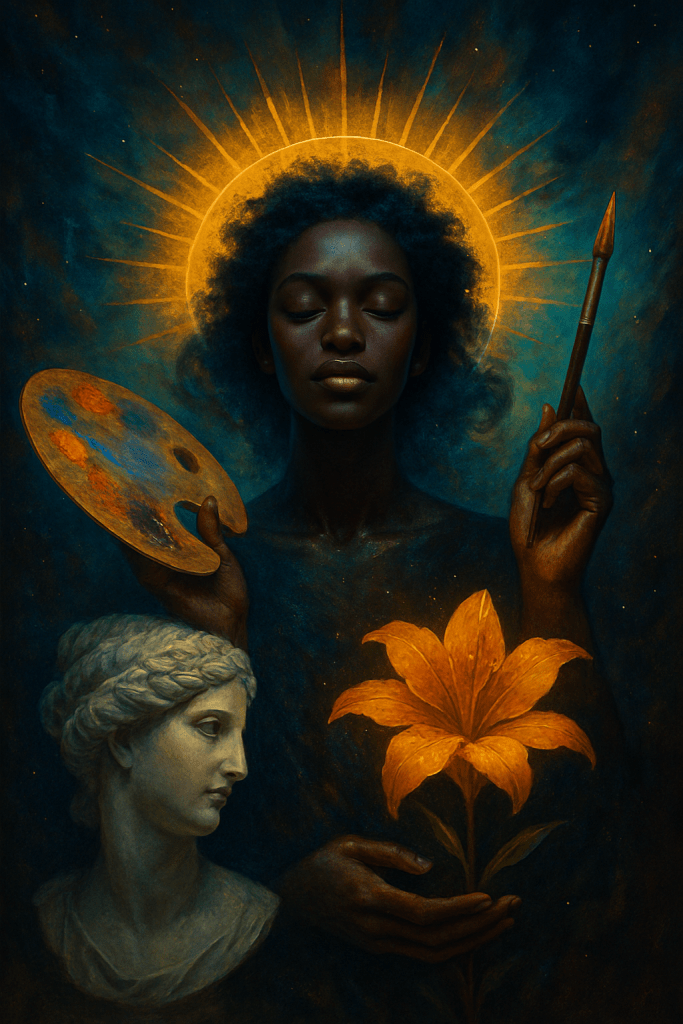
To growth?
To the universal language of beauty?
Maybe it’s time to wake up from the trance.
To remember that admiration connects—it doesn’t divide.
That culture isn’t a possession. It’s a conversation.
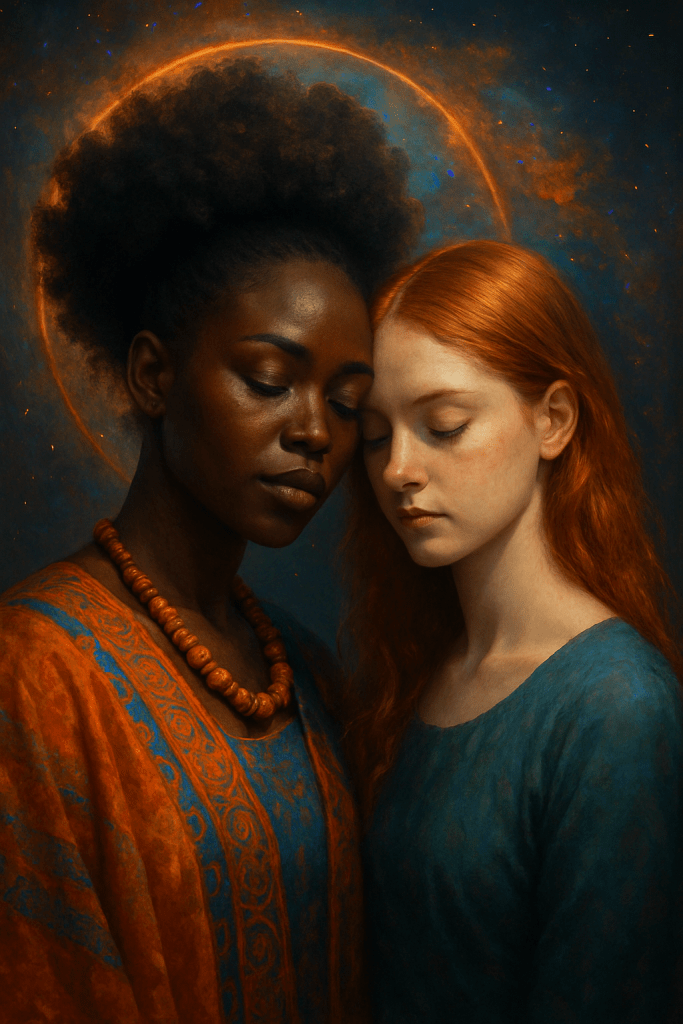
And that when we stop fighting each other over who’s allowed to appreciate what,
we might finally remember the truth:
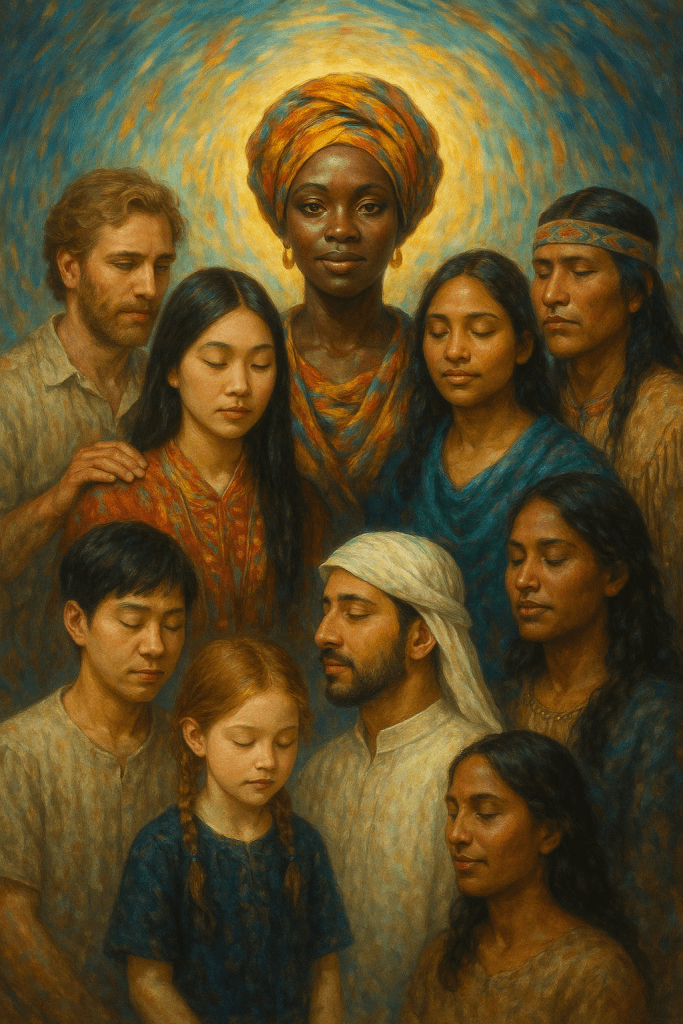
Flattery was never the crime.
Forgetting our shared humanity was.
What do you think—where is the line between appreciation and appropriation?
Prefer to experience this visually? Watch the short below and see how the message lands.


Leave a comment